razz matazz and all that jazz
“THE LANGUAGE OF BUTTERFLIES IS THE LANGUAGE OF COLOR.”
If you can, try to remember the first time you saw a butterfly. You were probably very young, so you may not remember exactly, but you probably gasped. And pointed. And then it’s likely you smiled. You maybe even took off trailing after it, trying to get a closer look at this amazing, flitting speck of color as it “come-hithering-ly” enticed you across the lawn, teasing you with its freedom. Well, this still happens to me every time I see a butterfly.
I gasp . . . I point . . . I smile . . .
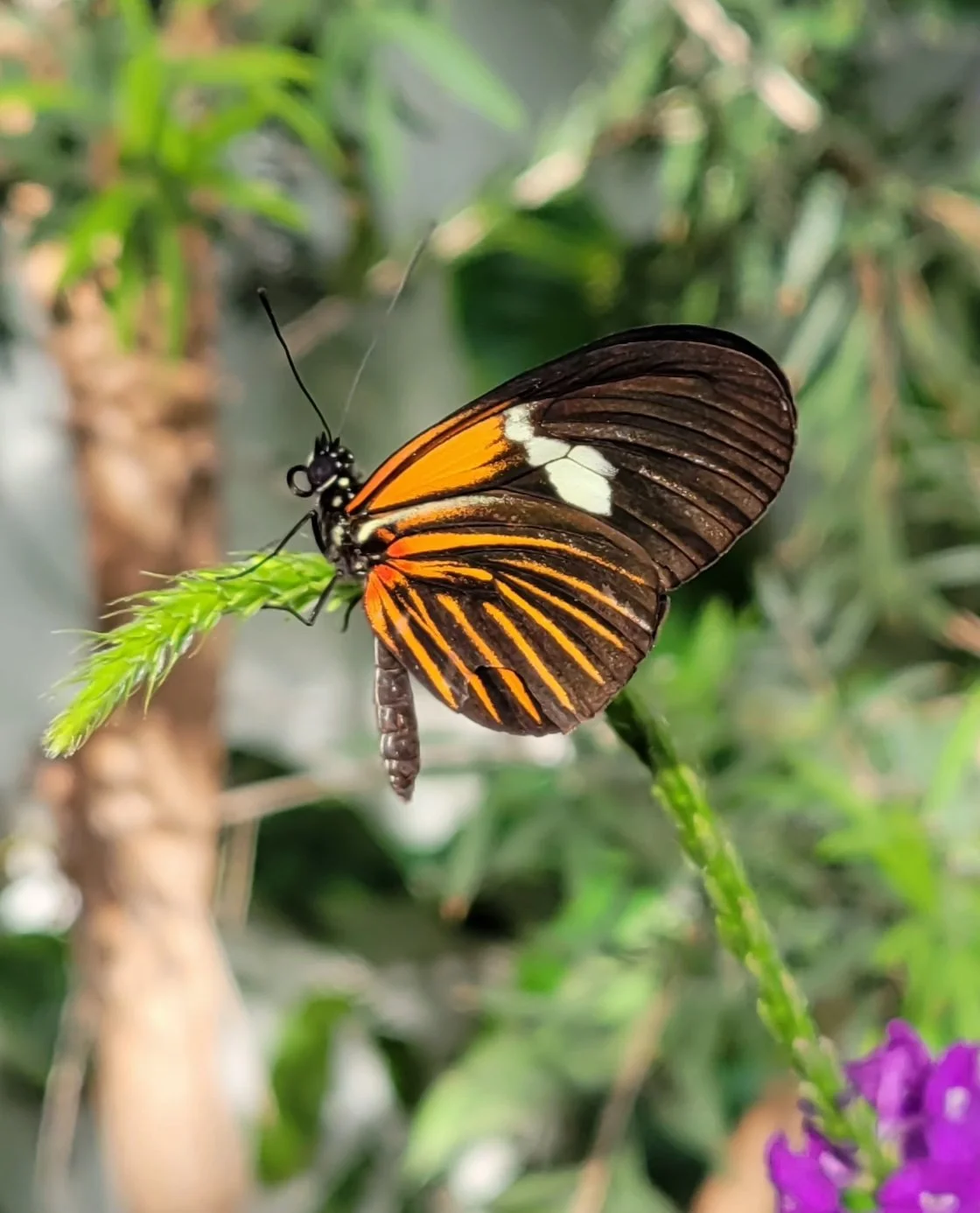
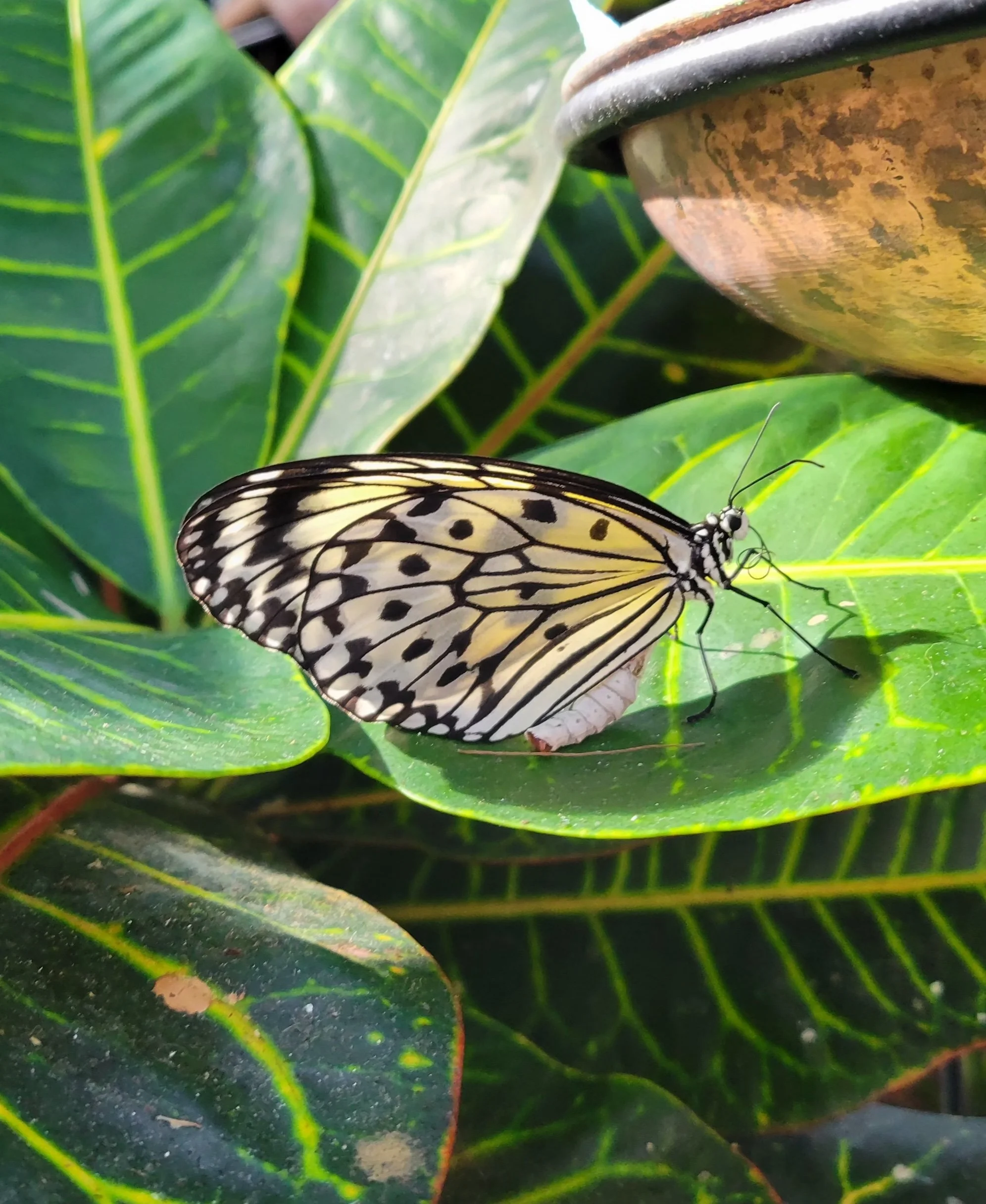
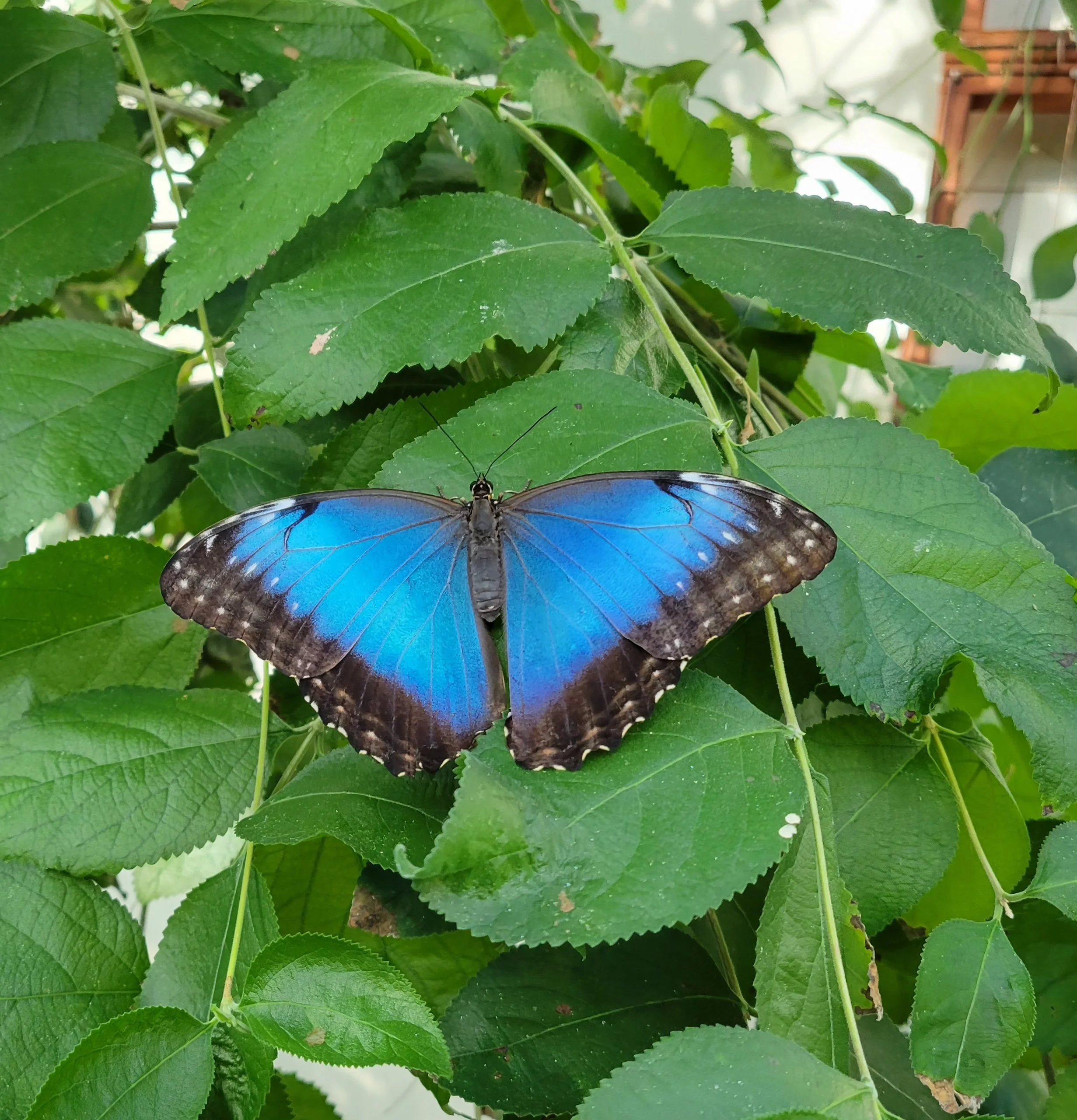
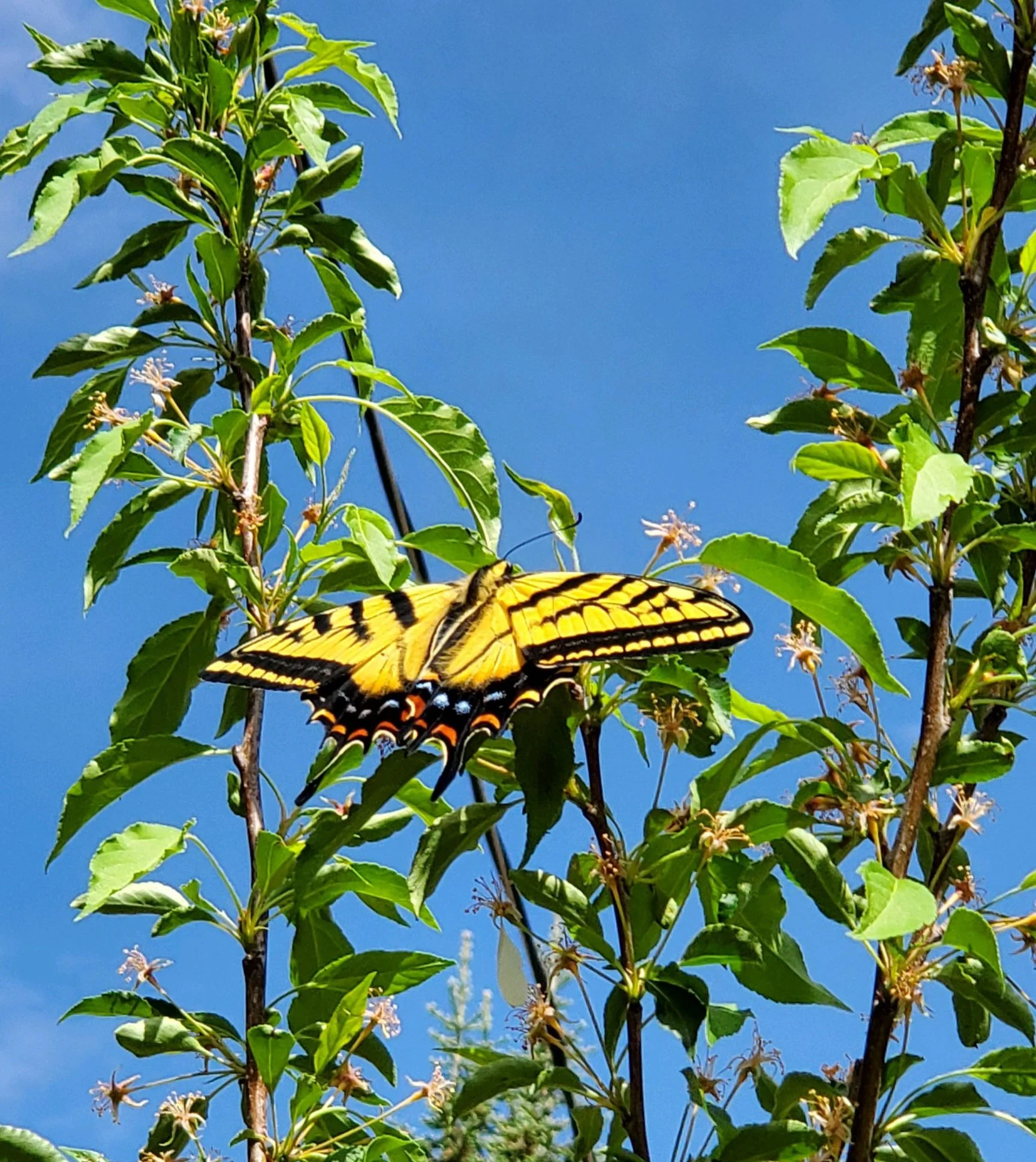
Full of questions, I decided it was time to learn about butterflies: who they are, what they are, where they’ve been, and where they’re going next. My lifelong infatuation morphed into complete obsession the moment I picked up THE LANGUAGE OF BUTTERFLIES - a gorgeous book that profiles these amazing insects and how they view the world. Author Wendy Williams’ conversational writing style and light-handed approach make this “science” book impossible to put down.
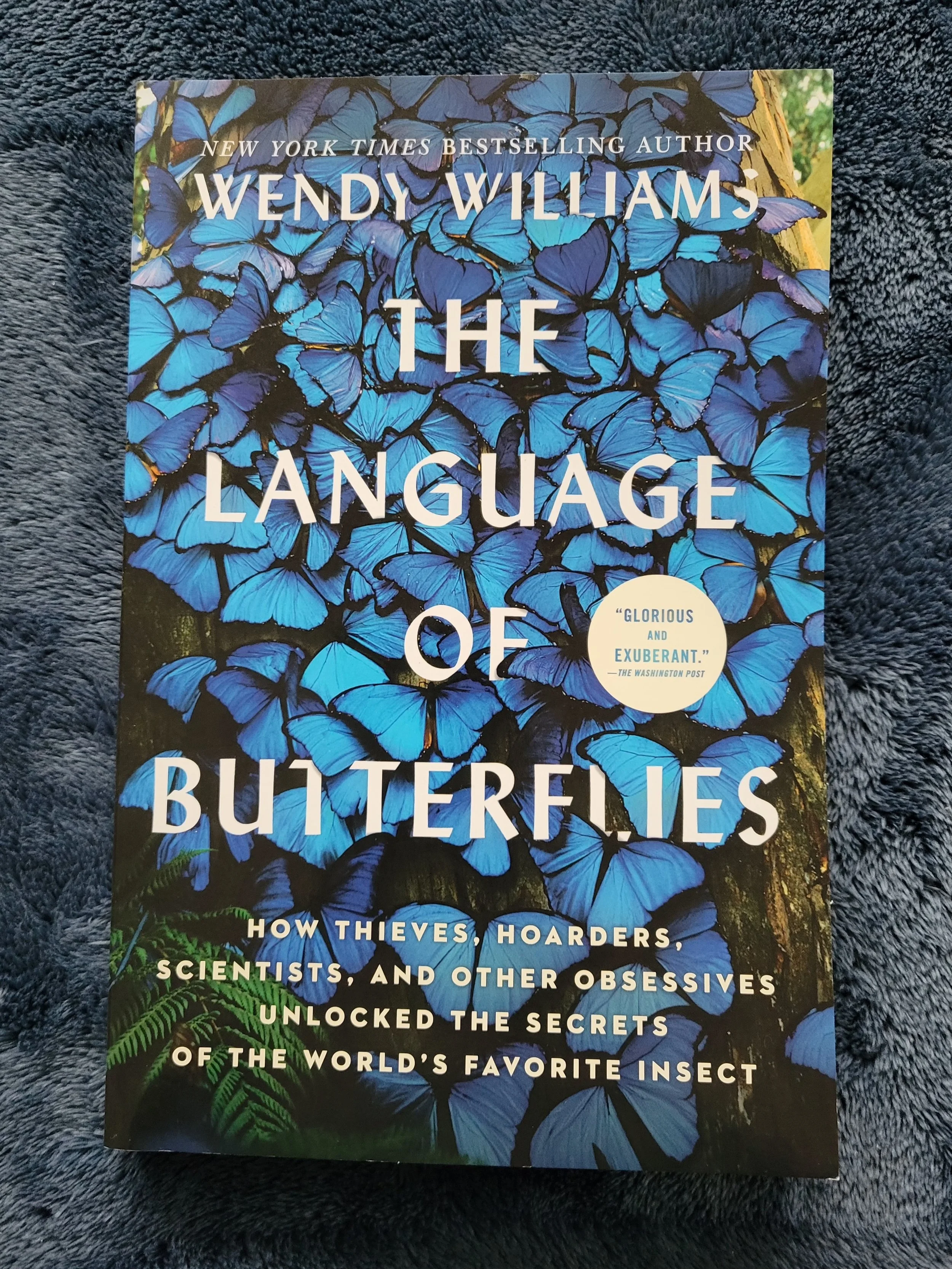
Part of the larger insect group of winged insects called Lepidoptera, butterflies have lived on planet earth for approximately 100 million years and credit their existence to the birth of flowering plants when the flying creatures evolved from nocturnal moths to diurnal feeders. This wasn’t just a willy-nilly decision on the part of butterflies.
It was the result of a trick played on them by those sneaky plants. Despite their stationary status, plants are remarkably and persistently clever. A long time ago they realized that in order to widen their gene pool and distribute their pollen to as many plants as possible, they needed someone to do the work for them. Winged insects were the perfect candidates. But in order to get those flying creatures to come to them, they had to look inviting and suggest deliciousness. And smelling good was going to be helpful, too. So, enter stage left: a butterfly, let’s say a handsome Swallowtail, comes flitting along, minding its own business, when out of the corner of his eye (not literally, but I’ll get to that later), he gets sidetracked by a bright spot of color emitting an enticing scent all packaged in a sexy profile. Bingo! Before he knows it, while quenching his thirst with the perfectly designed apparatus—the proboscis—that long curly tongue that so gracefully rolls and unrolls as it investigates the delicate insides of a teasing blossom, granules of pollen attach themselves to the fine hairs on his legs and underbelly to be carried away to the next flower that grabs this fella’s attention. And on and on it goes; the creation of a symbiotic relationship that underscores evolution at its finest. Flowers provide food. Butterflies provide transportation.
Butterflies are gracefully endowed with extraordinary characteristics. First to be highlighted is the proboscis, as mentioned earlier. Williams tells her readers it is not the drinking straw that we think it is. Instead, it’s better compared to a sponge. Designed with incalculably small holes, the proboscis exploits the phenomenon of capillary action to absorb the nectar. Nearly effortless.
Next up - their wings. I remember when I was a little girl my mother warned me to never pick up a butterfly for fear of damaging its wings. She explained that the “dust” that came off the wings was necessary for them to fly, stressing that it would be unfair to do anything to interfere with their very short lives. From my reading of Ms. Williams’ book, I’ve learned that my mom’s understanding was only partially correct. Indeed, the residue or powder does look like fine dust but touching them briefly will not hurt them. The “dust” is composed of specially designed scales that are like our dead skin cells and are not tightly fastened to the wings. Hollow inside, “Scientists suspect that the scales may help lift the butterfly when flying.” The shape and patterning of these scales are as different as the variety of species. Besides helping the insect fly, the scales can be utilized as a defense maneuver when necessary, falling away and allowing a butterfly to escape a close encounter with a bird or a spider’s web. Even more impressive, like the octopus rapidly changes its color to defy detection, some butterflies are able to blend in and fool predators by using their skills at camouflage to mimic other butterflies, changing their colors to resemble a less tasty or even poisonous butterfly.
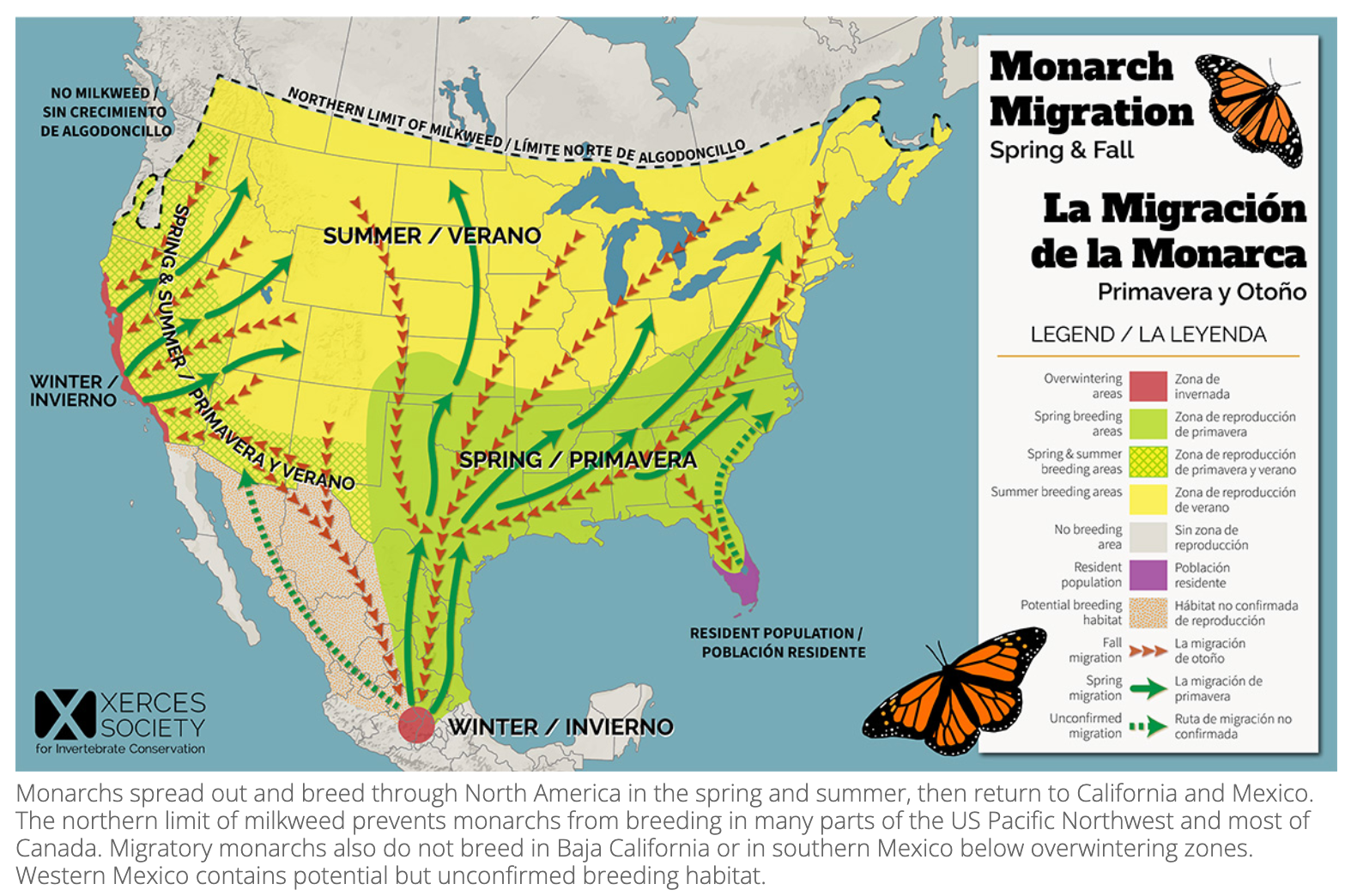
I’ve found it strangely reassuring to learn that for as fragile as they appear, butterflies are robust little insects and that they can be handled and are even able to bear the weight of wearing a tag. Williams talks about a fascinating tagging project that has been going on with Monarch butterflies for over 30 years now. In this program, each butterfly released is tagged with a circular, white sticker made of adhesive, all-weather polypropylene weighing less than 0.01 grams so as not to interfere with the butterfly’s ability to fly. The tag, bearing a unique code, asks that anyone who sees the butterfly report the sighting to the leaders of the project with a photo and location. Details of the study help researchers better understand migratory routes, overwintering locations, survival rates, and causes for fluctuations in population. Pretty typically, most tagged butterflies are never seen again following release. But there have been exceptions: one tagged Monarch, the epitome of her species and subsequently known as “Amelia’s Butterfly” in honor of the 5-year-old who released her, was spotted an unprecedented four times and had flown a little over 470 air miles at her final sighting in 2016.
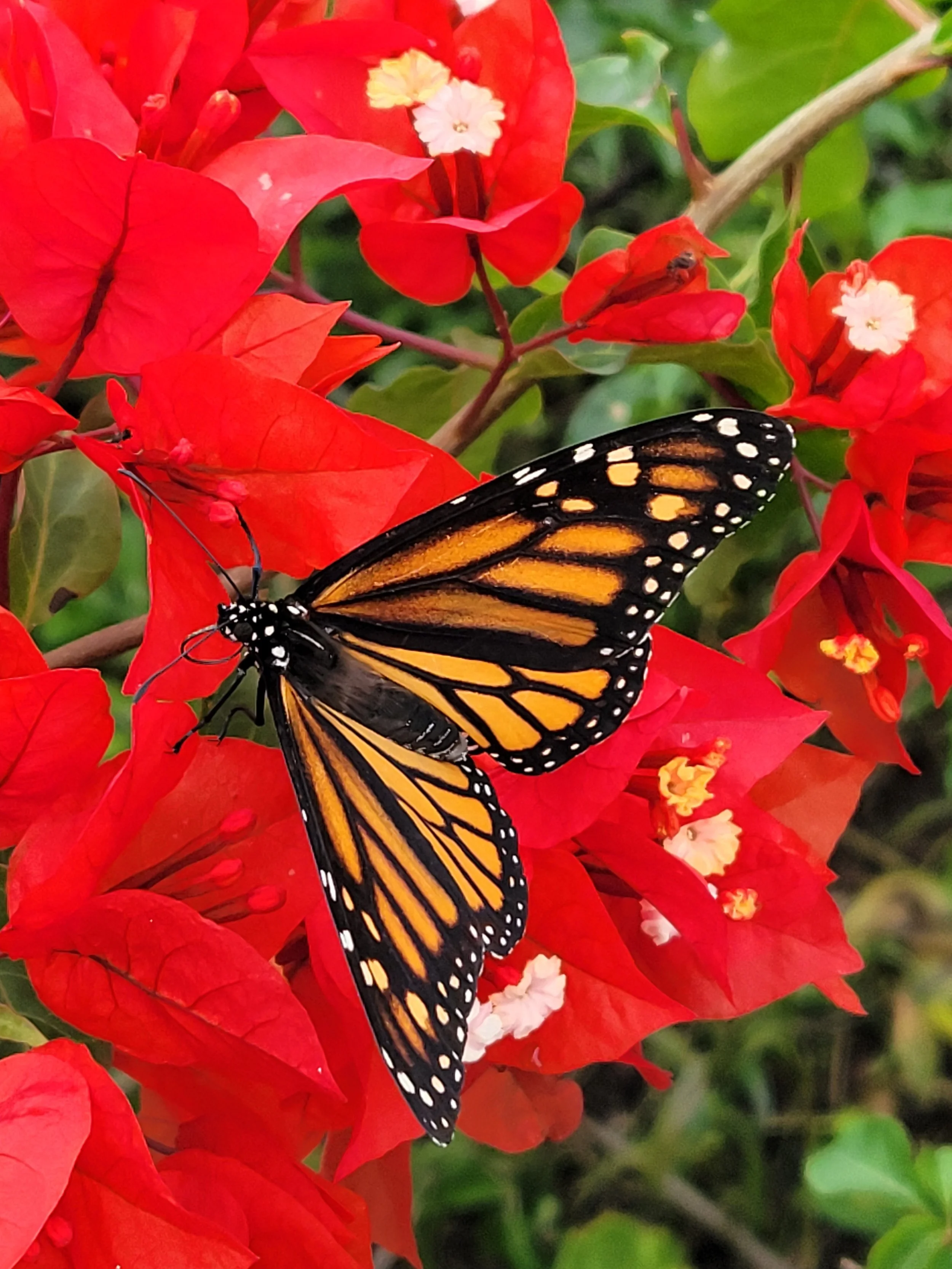
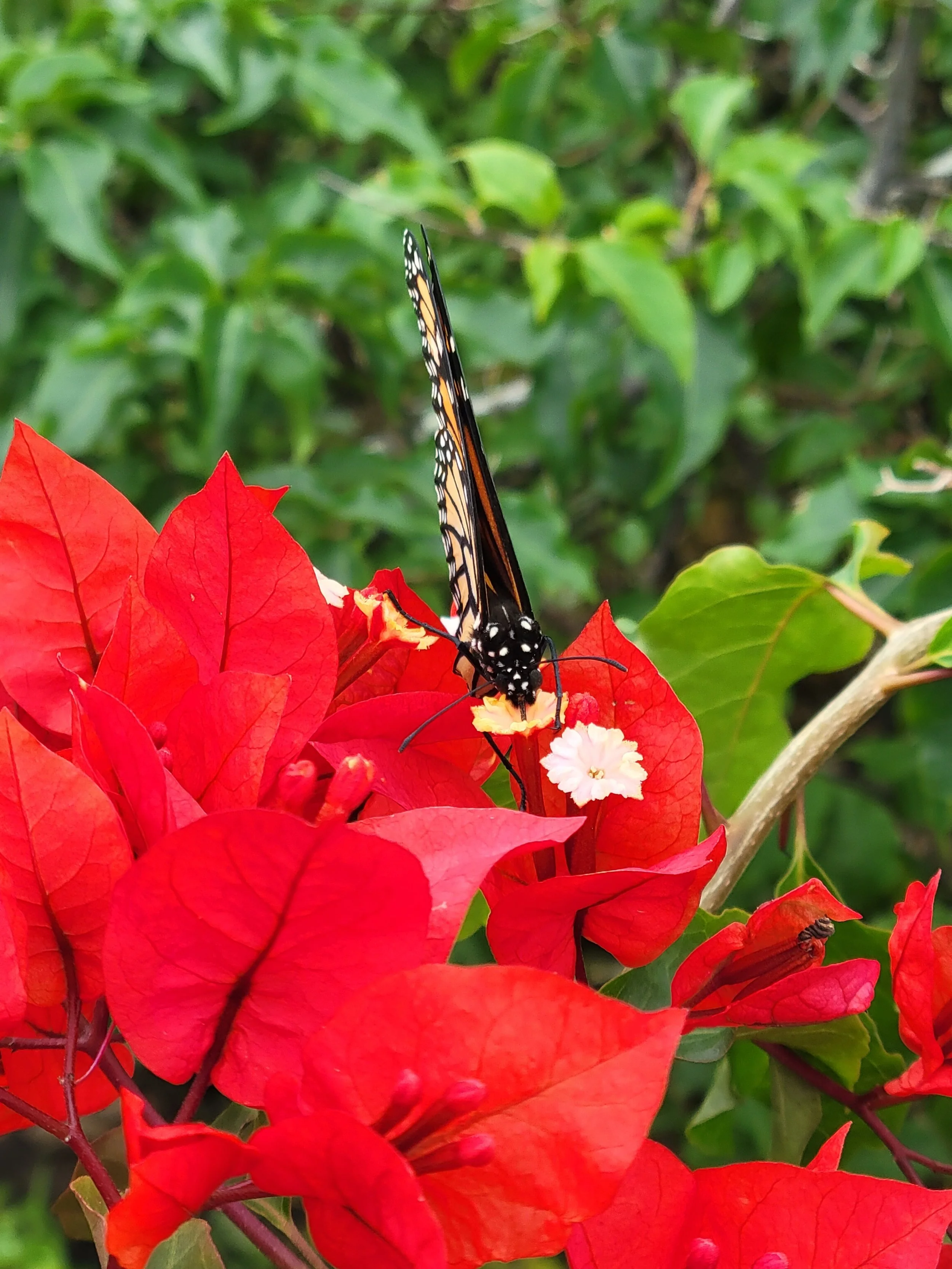
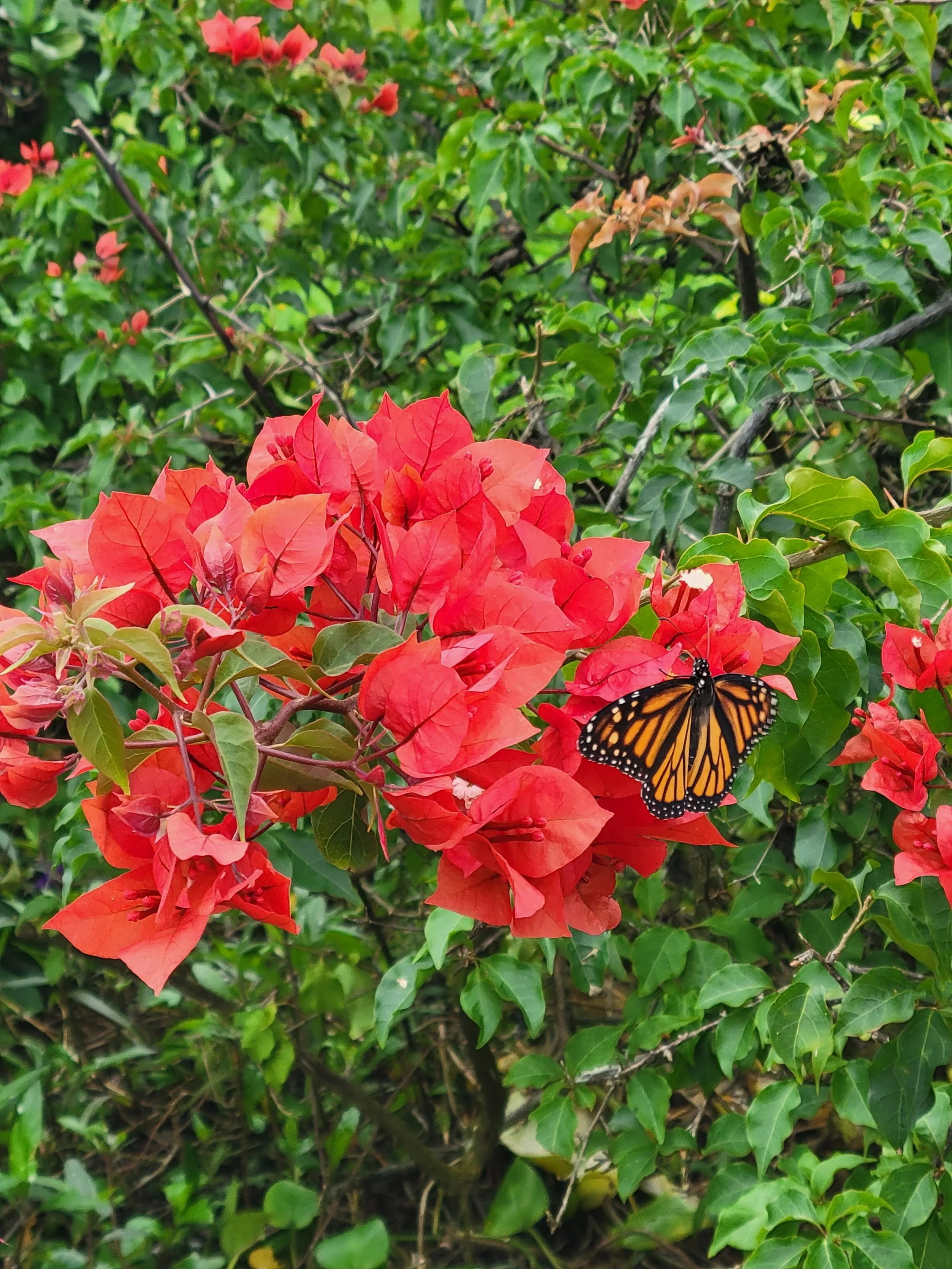
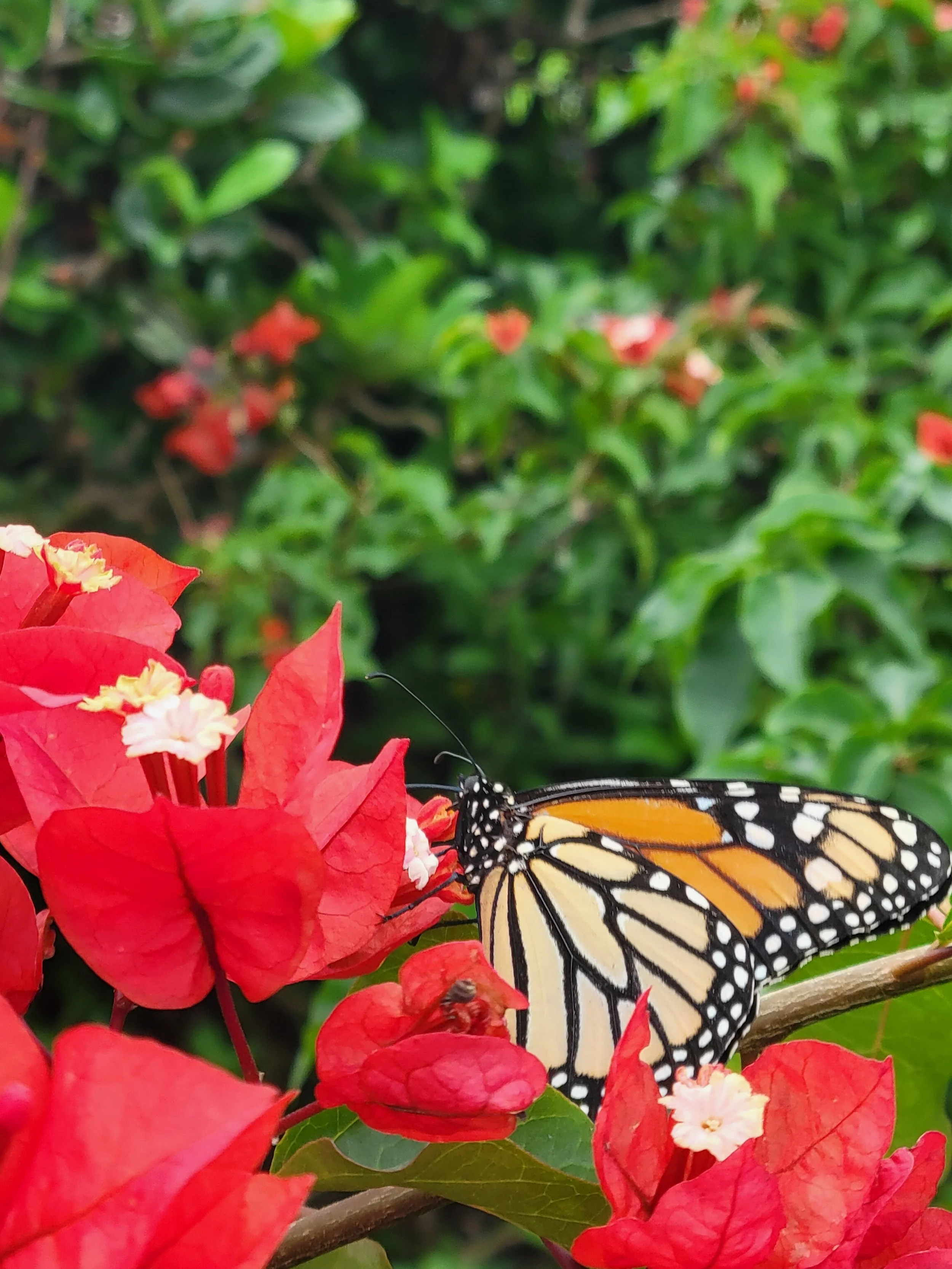
For their size, butterflies possess impressive brains. Contained within that sesame seed-sized brain is a stunning intelligence. It’s easy to assume that an insect that can find its way to a completely unfamiliar destination, sometimes 2,500 miles beyond where it was born, is obviously a smart creature. Researchers have learned that this extraordinary navigational ability lies in a biological mechanism, or GPS in modern lingo, that integrates their ability to detect magnetic north and south and operates in collusion with their antennae that contains a sun-dependent internal compass. Pretty cool stuff! The endurance required for a journey of such magnitude is by itself, staggering, but these clever, winged creatures have that figured out, too. By tapping into the air currents 800 to 1200 feet above our oblivious heads, they can coast as many as 100 miles a day.
Another place their smartness reveals itself is in the laboratory—researchers have proven that Monarch butterflies are teachable and are capable of exercising what we would describe as “memory.” In experiments designed to reward them with their drink of choice, Monarchs quickly learned in which artificial flowers the best nectar was located. Then as researchers are prone to do, they reallocated which flowers contained which nectar mixture. The butterflies responded with astute flexibility, requiring few repetitions before “learning” where to once again find the best sugar fix. As one researcher says, “Monarchs have very robust learning capabilities for a simple, small insect. They’re actually incredibly interesting and smart creatures. Training frogs is way harder.”
I began this blog with a story about my own infatuation with butterflies. Williams explains why I react this way when I spot one of these special insects; the love of color is deeply hardwired into our brains. It is, likewise, the one commonality we have with these otherwise “most unlike us” creatures; color is hardwired into their brains as well but for a different reason. We like color’s pleasant and brain-cell-sparking qualities, but to a butterfly, color equates into food and with it, survival.
So, let’s talk about the role their sophisticated eyesight plays in translating color for them. Graced with substantial (as in bulbous), compound eyes located on the sides of their heads, they enjoy a 314-degree field of vision, which allows them to see front, back, above, and below all at the same time. Each large, immobile eye is composed of 12,000 to 17,000 individual tiny lenses. Called ommatidia, these hexagonally faceted units are designed to respond to color and movement and give the butterfly a kaleidoscopic experience rather than the single focused image that our eyesight provides us. (Think of the level of intellect that has to make sense of that sensory stimulation!) Despite lower resolution and depth perception in comparison to human eyesight, these individual ommatidia are highly organized into sections, some responding to one particular color while another group responds to a completely different color. The best way to explain it would be to imagine viewing the world through the thick bottom of a mason jar—nothing is distinct or sharp-edged—rather, a butterfly’s world consists of shapes and shadows, and degrees of color. They can see red, green, and blue, and are especially sensitive to ultraviolet, violet, and yellowish-green shades. And get this—from a butterfly’s perspective, pollen is sparkly.
How fortunate we are to share this planet with these extraordinary, magical creatures!
The next time you see a butterfly, I recommend . . .
pausing . . .
A few years ago I was granted the extraordinary opportunity of overwintering a Swallowtail butterfly. It was one of the most exquisite experiences of my life. You can . . .